LifeResearch is like riding a bicycle. To keep your balance, you must keep moving. — Albert Einstein
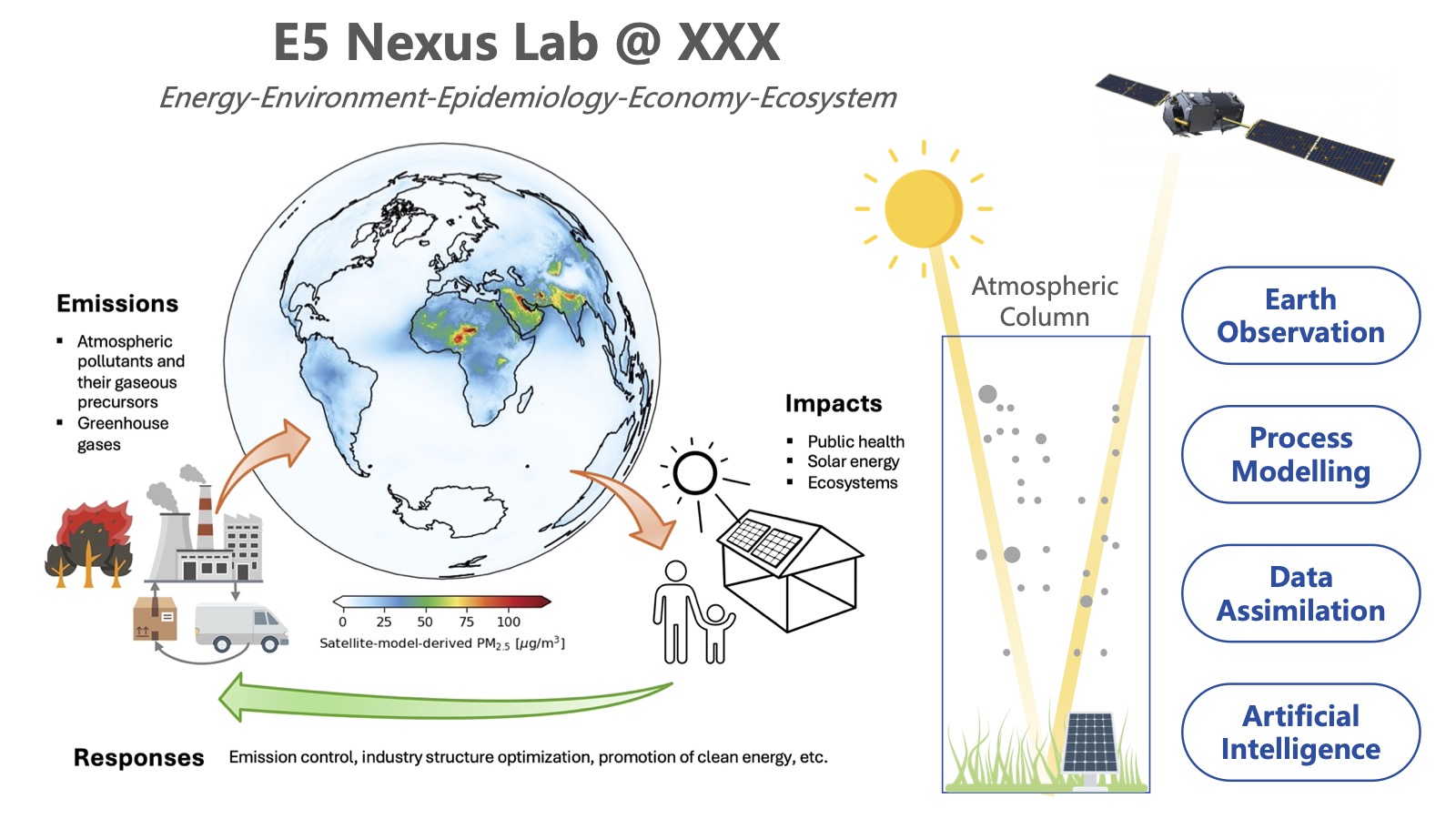
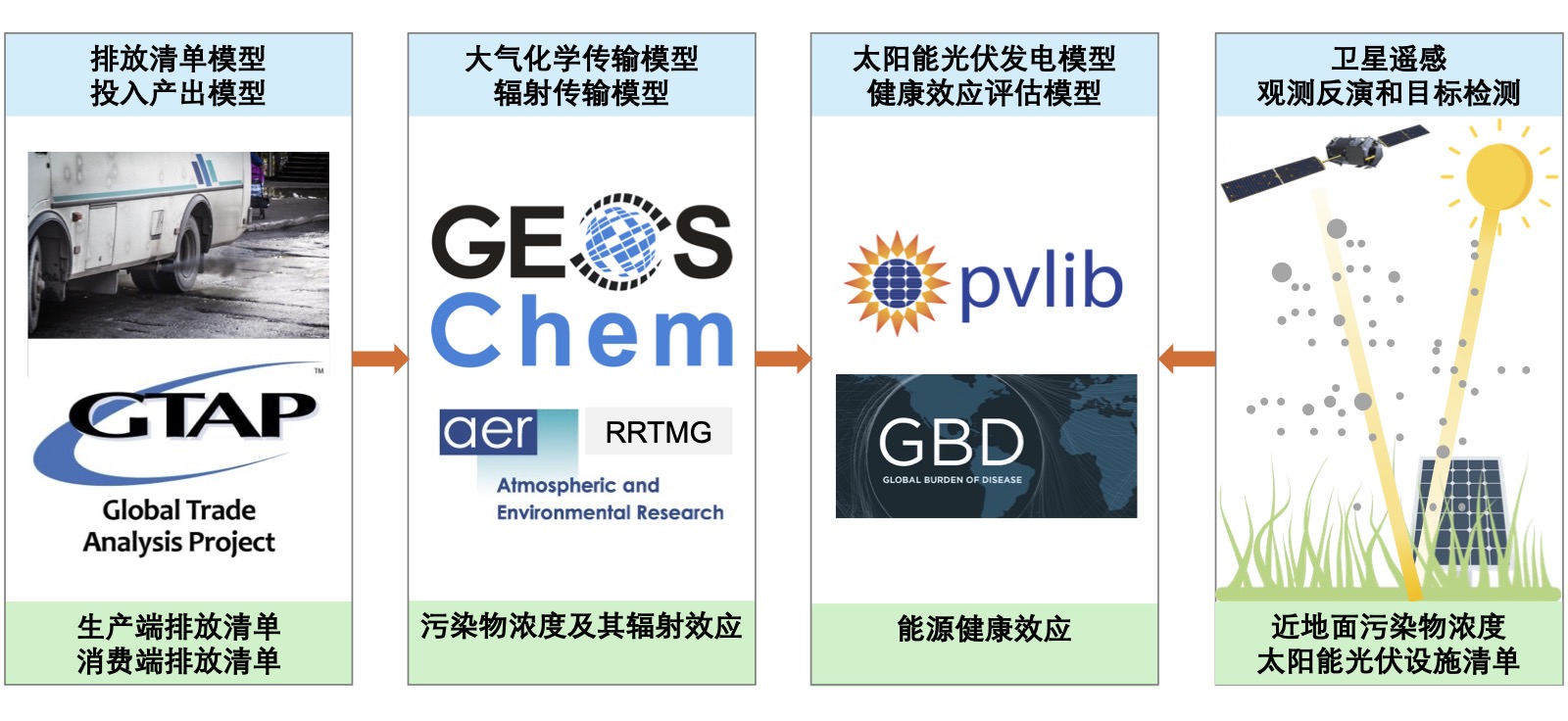
We focus on interdisciplinary research in environmental and Earth sciences, with an emphasis on 1) atmospheric environment, its impacts, and responses, 2) renewable energy and climate change mitigation, and 3) AI-enabled sustainable energy and environmental research. We use a range of research approaches, including emission inventories and input–output models (GTAP); global and regional atmospheric chemical transport models (GEOS-Chem, WRF-GC, etc.) equipped with radiative transfer modules (RRTMG); solar photovoltaic performance models (PVLIB-Python); health impact models (Global Burden of Disease, GBD); adjoint modelling; and machine learning and statistical methods. The work that we have done/currently do/will do includes but is not limited to the following:
课题组长期致力于环境与地球科学领域交叉学科研究,重点关注(1)大气环境影响及应对、(2)可再生能源与减缓气候变化、以及(3)AI赋能可持续能源与环境研究。主要研究手段包括排放清单和投入产出模型(GTAP)、配备辐射传输模块(RRTMG)的全球和区域尺度大气化学传输模式(GEOS-Chem, WRF-GC等)、太阳能光伏发电模型(PVLIB-Python)、健康效应模型(Global Burden of Disease, GBD)、伴随模式(Adjoint modelling)、机器学习和统计方法等。已完成/正在进行/将要开展的工作包括但不限于:
1. Atmospheric environment, its impacts, and responses | 大气环境及影响与应对
As illustrated in the figure below, our research addresses a conceptual system in which natural and anthropogenic activities generate emissions of air pollutants and greenhouse gases. These constituents are transported and transformed in the atmosphere, ultimately influencing solar energy generation, public health, and ecosystem health, among other impacts. In response to these environmental effects, policy interventions are implemented, which in turn can modify emissions. Our research examines this conceptual system as a whole, while also investigating its individual components.
1.1. Drivers of atmospheric environmental variations and their impacts on energy, public health, and ecosystem health | 大气环境变化的驱动因素及其对能源与健康的影响
We integrate models from multiple disciplines to describe the conceptual system outlined above. Using this integrated approach, we perform counterfactual experiments to identify the socioeconomic and natural drivers behind the impacts of atmospheric environmental variations on energy, public health, and ecosystem health. The identified drivers provide guidance for effectively mitigating these environmental impacts.
Refs:
Socioeconomic drivers:
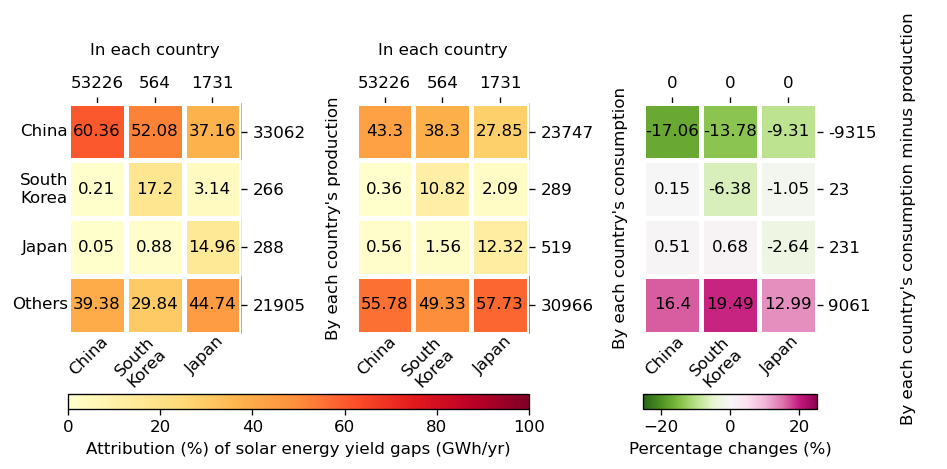
Yao, F.*, Palmer, P.I., Liu, J., Chen, H. and Wang, Y., 2025. Attribution of Solar Energy Yield Gaps due to Transboundary Particulate Matter Pollution Associated with Trade across Northeast Asia. Environmental Science & Technology, 59(29), pp.15092-15100. doi: 10.1021/acs.est.5c05935
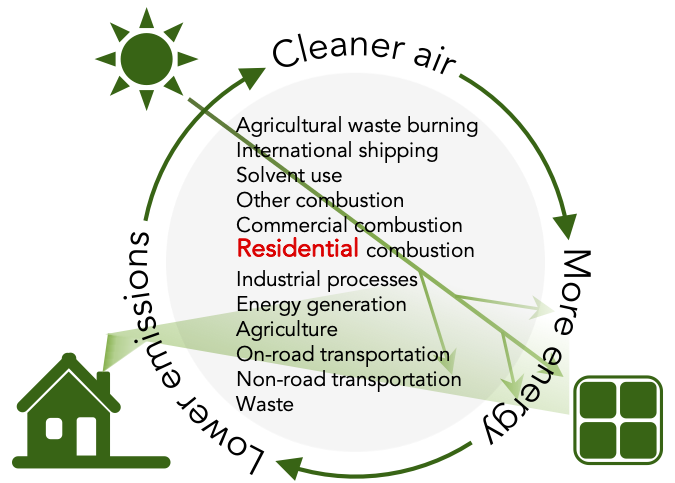
Yao, F.* and Palmer, P.I., 2022. Source Sector Mitigation of Solar Energy Generation Losses Attributable to Particulate Matter Pollution. Environmental Science & Technology, 56(12), pp.8619-8628. doi: 10.1021/acs.est.2c01175
gc-pvlib-Li
Liu, J.#, Yao, F.#, Chen, H.* and Zhao, H.*, 2025. Quantifying the Source–Receptor Relationships of PM2.5 Pollution and Associated Health Impacts among China, South Korea, and Japan: A Dual Perspective and an Interdisciplinary Approach. Environmental Health Perspectives, 133(3-4), p.047011. doi: 10.1289/EHP14550
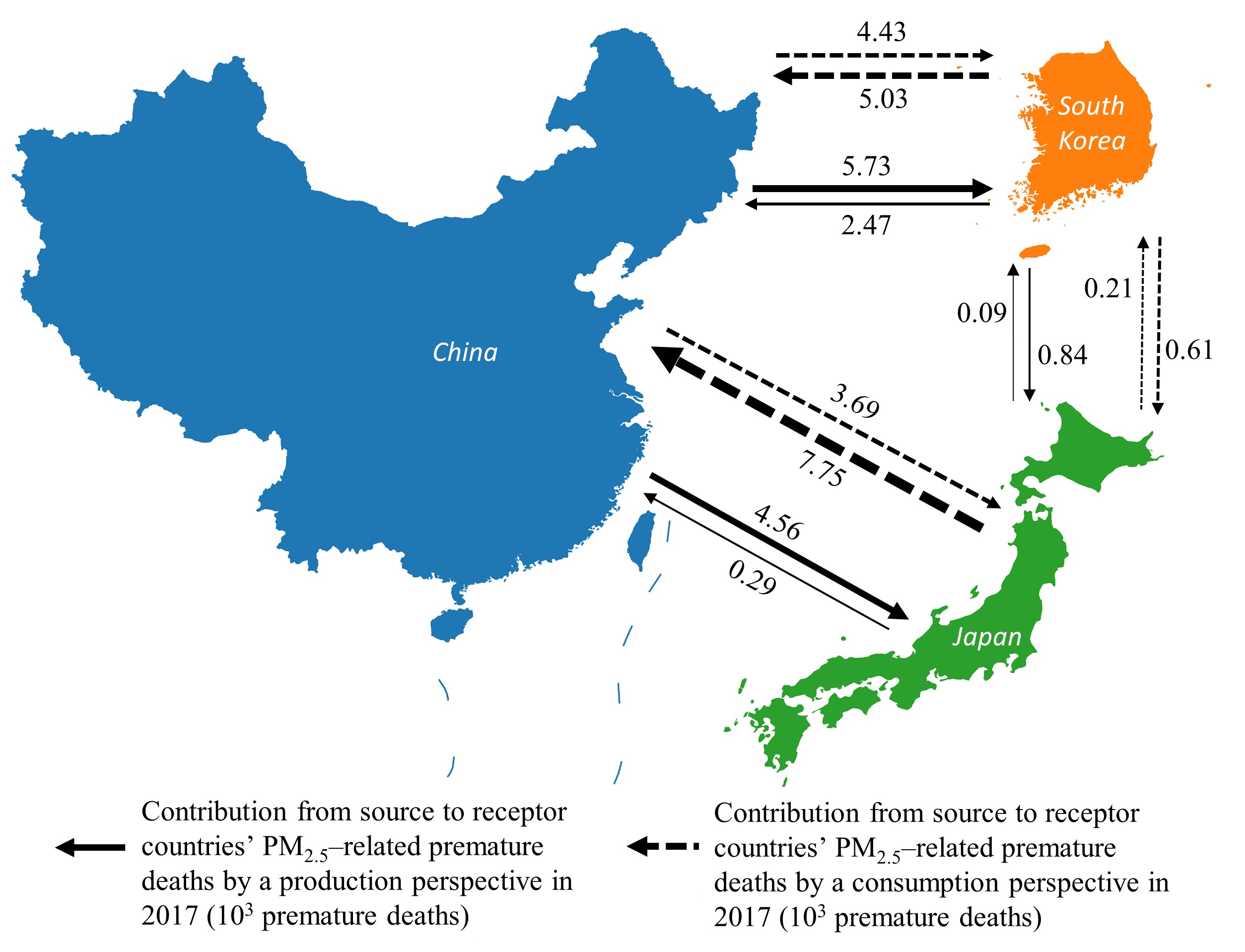
Liu, J.*, Li, J. and Yao, F., 2022. Source-receptor relationship of transboundary particulate matter pollution between China, South Korea and Japan: Approaches, current understanding and limitations. Critical Reviews in Environmental Science and Technology, 52(21), pp.3896-3920. doi: 10.1080/10643389.2021.1964308
Natural drivers (including interactions with socioeconomic drivers):
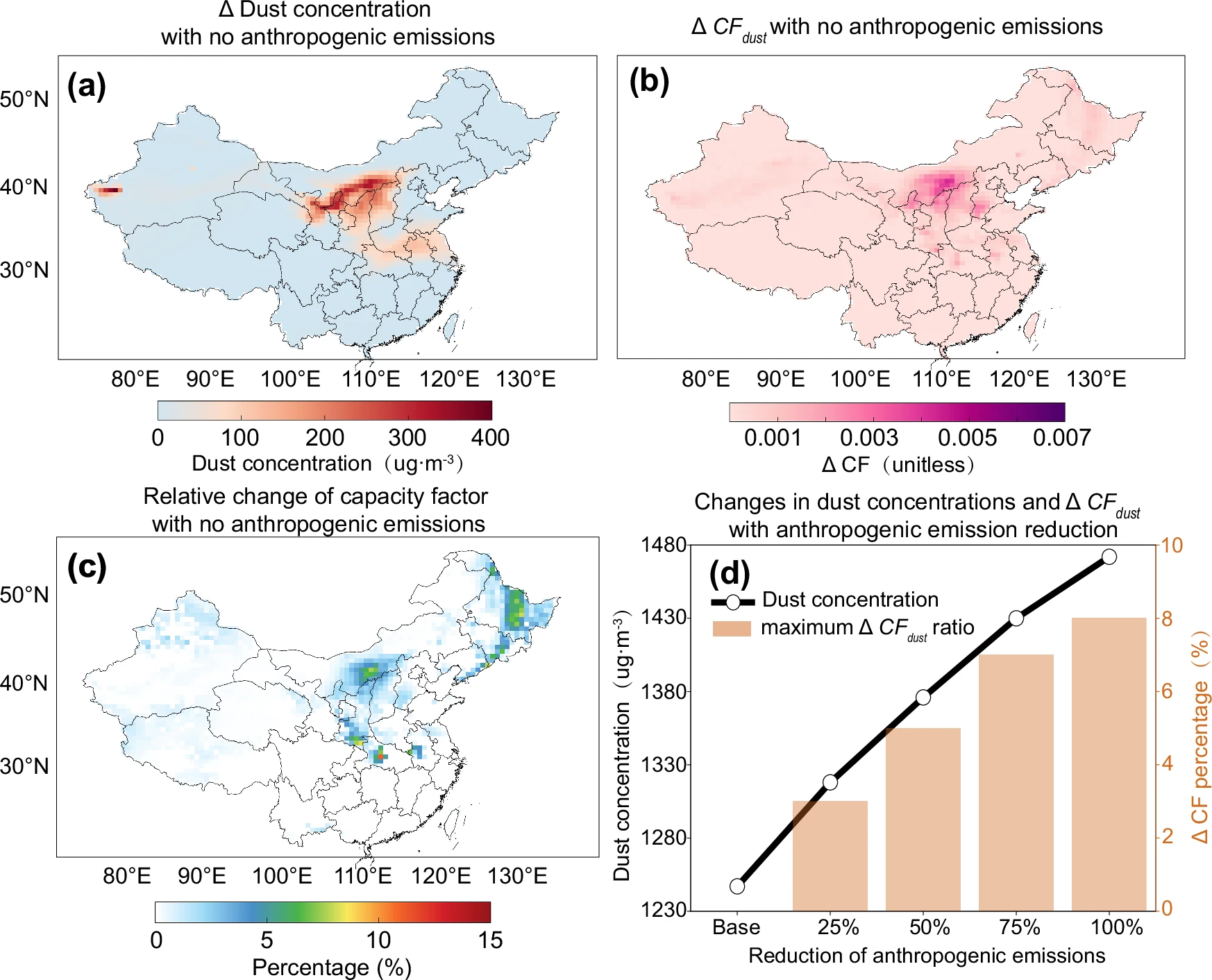
Yin, K.#, Yao, F.#, Luo, N., Gao, M., Lu, X.* and Yi, B.*, 2026. Substantial reduction of solar photovoltaic potential in China by an extreme dust event. Communications Earth & Environment, 7(1), p.44. doi: 10.1038/s43247-025-03123-1
1.2. Atmospheric environment simulation and satellite remote sensing monitoring | 大气环境模拟与卫星遥感监测
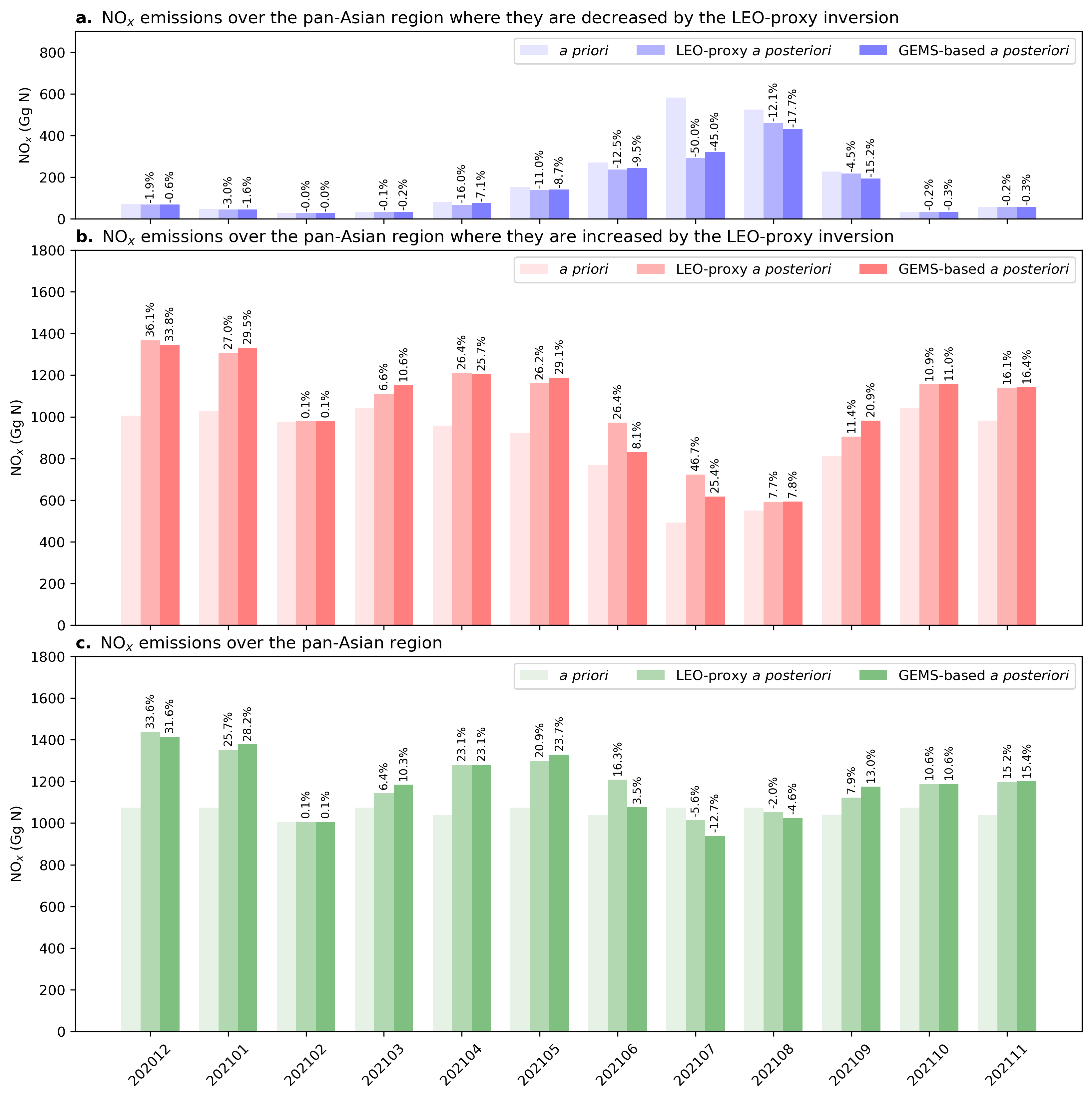
We use both process-based models (e.g., GEOS-Chem) and statistical and machine learning methods to track emissions (e.g., NOx) that drive atmospheric environmental conditions near the surface (e.g., PM2.5 concentrations), which are most relevant to public health. We combine these ground-level environmental estimates with individual mobility and socioeconomic data to examine disparities in exposure across different population groups. The research findings inform atmospheric environmental management policies and environmental equity efforts.
Refs:
Emissions:
Yao, F.*, Palmer, P.I.*, Wang, X., Wang, Y., Lee, G.T., Wang, H., Feng, L., Henze, D.K. and Park, R.J., 2026. Do GEMS geostationary satellite observations of tropospheric NO2 always improve NOx emission estimates and related air quality modelling?. Atmospheric Chemistry and Physics, 26(16), pp.12049–12066. doi: 10.5194/acp-26-12049-2026
Atmospheric environmental conditions (PM2.5 concentrations):
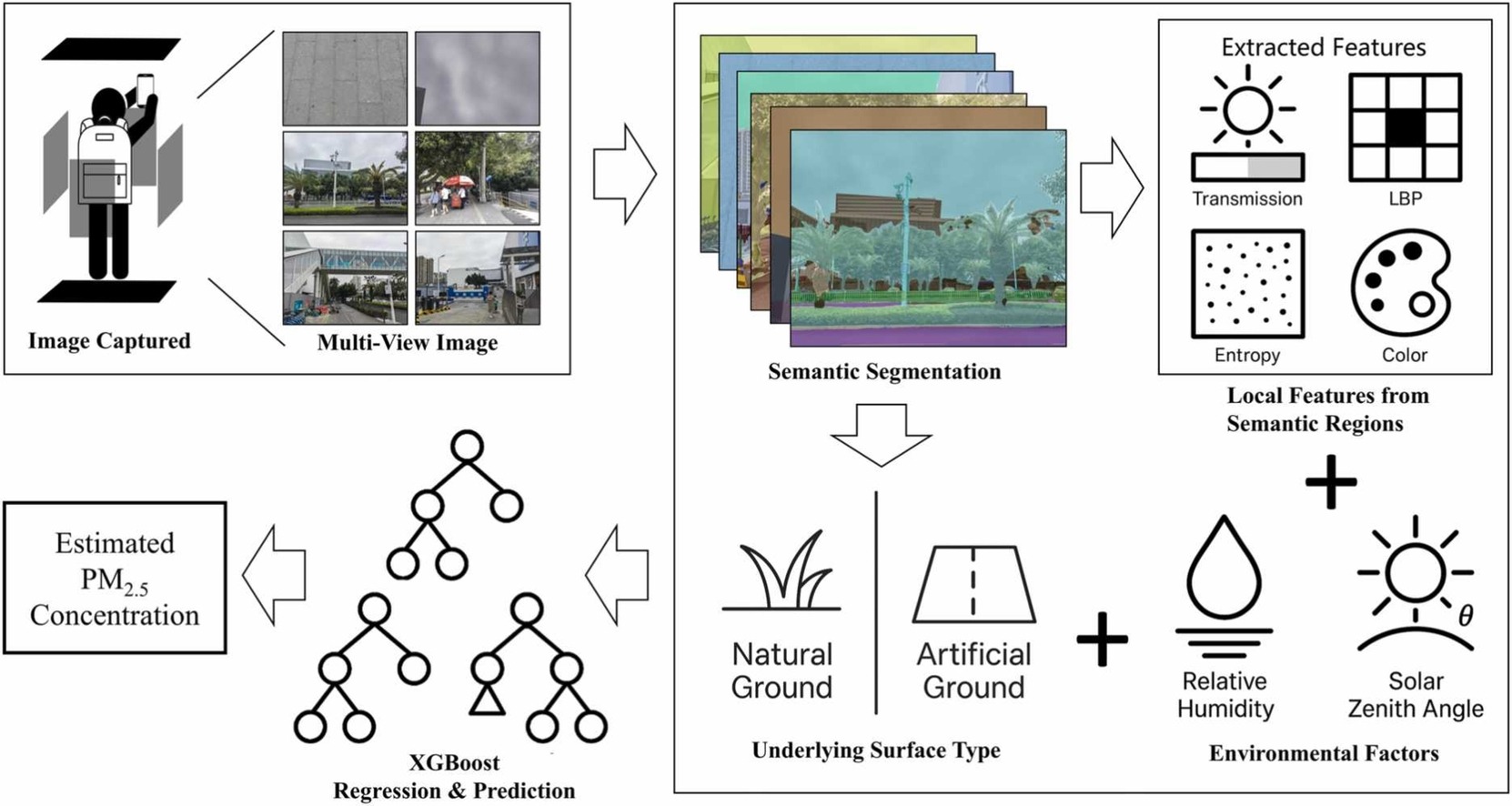
Liu, J., Zheng, Z., Yao, F.* and Li, W.*, 2026. A multi-view machine learning approach for estimating PM2.5 concentrations from smartphone photographs. Journal of Hazardous Materials, 511, p.142172. doi: 10.1016/j.jhazmat.2026.142172
Yao, F.* and Palmer, P.I., 2021. A model framework to reduce bias in ground-level PM2.5 concentrations inferred from satellite-retrieved AOD. Atmospheric Environment, 248, p.118217. doi: 10.1016/j.atmosenv.2021.118217
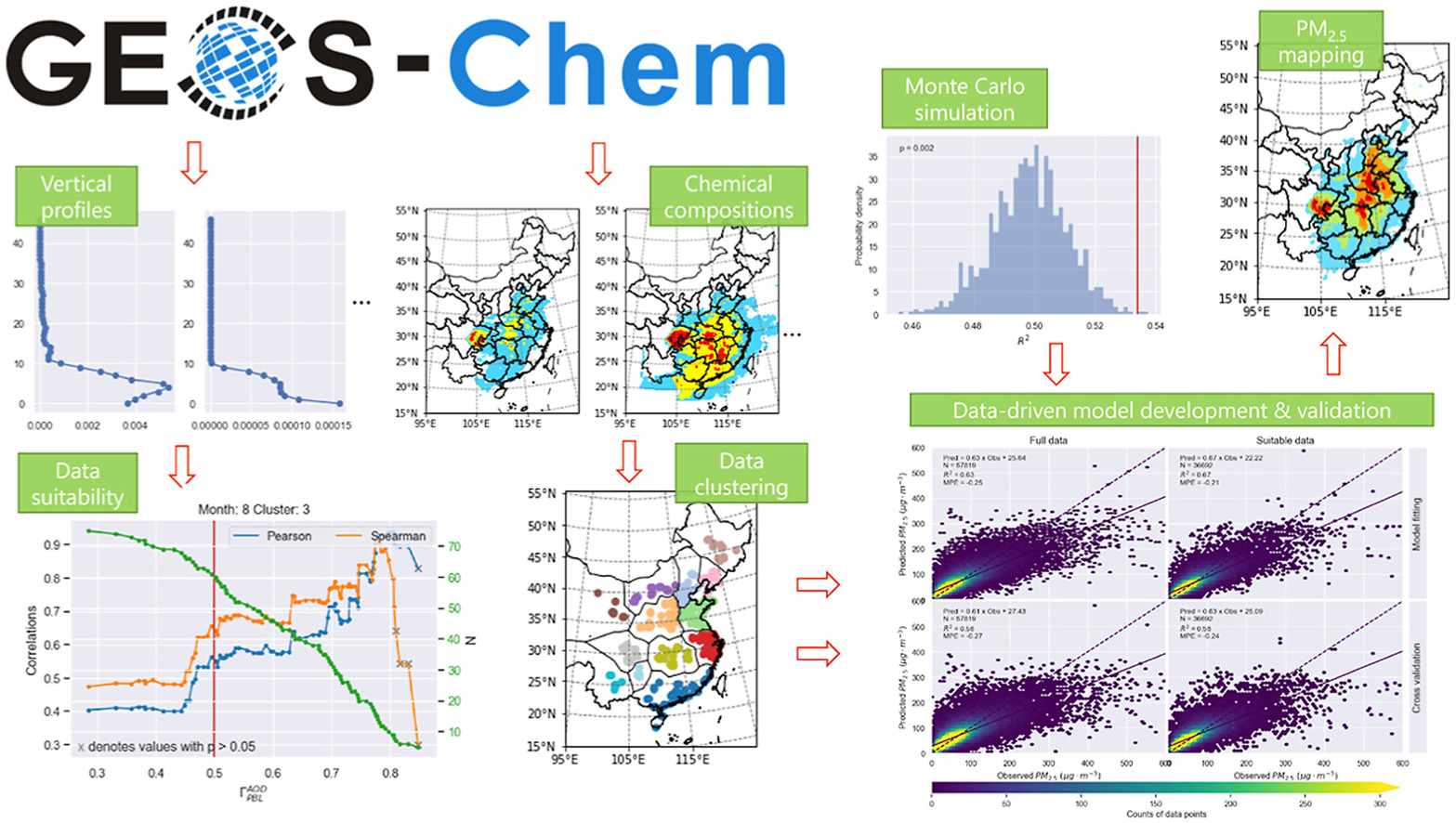
Yao, F., Wu, J.*, Li, W.* and Peng, J., 2019. A spatially structured adaptive two-stage model for retrieving ground-level PM2.5 concentrations from VIIRS AOD in China. ISPRS Journal of Photogrammetry and Remote Sensing, 151, pp.263-276. doi: 10.1016/j.isprsjprs.2019.03.011
Yao, F., Wu, J.*, Li, W. and Peng, J., 2019. Estimating daily PM2.5 concentrations in Beijing using 750-M VIIRS IP AOD retrievals and a nested spatiotemporal statistical model. Remote Sensing, 11(7), p.841. doi: 10.3390/rs11070841
Yao, F., Si, M., Li, W.* and Wu, J.*, 2018. A multidimensional comparison between MODIS and VIIRS AOD in estimating ground-level PM2.5 concentrations over a heavily polluted region in China. Science of the Total Environment, 618, pp.819-828. doi: 10.1016/j.scitotenv.2017.08.209
Wu, J., Yao, F., Li, W.* and Si, M., 2016. VIIRS-based remote sensing estimation of ground-level PM2.5 concentrations in Beijing–Tianjin–Hebei: A spatiotemporal statistical model. Remote Sensing of Environment, 184, pp.316-328. doi: 10.1016/j.rse.2016.07.015
Supervisor as first author
Guo, H., Li, W.*, Yao, F., Wu, J., Zhou, X., Yue, Y. and Yeh, A.G., 2020. Who are more exposed to PM2.5 pollution: A mobile phone data approach. Environment International, 143, p.105821. doi: 10.1016/j.envint.2020.105821
Atmospheric environmental conditions (urban heat island):
Wang, Y., Wang, H., Yao, F.*, Stouffs, R. and Wu, J.*, 2024. An integrated framework for jointly assessing spatiotemporal dynamics of surface urban heat island intensity and footprint: China, 2003–2020. Sustainable Cities and Society, 112, p.105601. doi: 10.1016/j.scs.2024.105601
1.3. Trade-offs and synergies in mitigating multiple atmospheric environmental impacts | 多重大气环境影响减缓的权衡与协同效应
Stay tuned.
2. Renewable energy and climate change mitigation | 可再生能源与减缓气候变化
2.1. Satellite remote sensing monitoring of renewable energy infrastructure | 可再生能源基础设施卫星遥感监测
Stay tuned.
2.2. Environmental impact analysis of renewable energy infrastructure | 可再生能源基础设施环境影响分析
Stay tuned.
3. AI-enabled sustainable energy and environmental research | AI赋能可持续能源与环境研究
The research areas listed above involve the use of AI to varying degrees, and we will continue to explore and expand the application of AI in these and other research directions.